
The Comuna 13 graffiti is the most photographed street art in Latin America. Murals cover nearly every wall of this Medellín barrio. They tell the story of a neighborhood that turned violence into color. In this guide, we’ll cover how it started. We’ll also cover what the murals mean and who paints them.
Comuna 13 Graffiti: The Quick Story
Comuna 13 is a hillside neighborhood in western Medellín. For decades, it was the city’s most feared barrio. However, starting in the late 2000s, young artists from the barrio began painting the walls. They turned trauma into murals. They turned dead corners into open-air galleries.
Today, the Comuna 13 graffiti tour is one of the top-rated experiences in Medellín. Travelers from around the world visit specifically to see the art. As a result, the murals became more than decoration. They became the barrio’s identity.
How the Graffiti Movement Started
In the early 2000s, Comuna 13 was emerging from years of armed conflict. The 2002 military operation called Operation Orion marked a turning point. After that, the barrio began a long, slow recovery. Read more in our Comuna 13 history guide.
However, the recovery wasn’t driven by government programs alone. Young people from the neighborhood started painting their own stories on the walls. Many had no formal art training. In fact, they learned by doing. Furthermore, the murals weren’t just decoration. They were processing trauma and reclaiming space.
The Casa Kolacho influence
One key player is Casa Kolacho. It’s a hip-hop and arts collective. It was founded in honor of Héctor Pacheco “Kolacho,” a local rapper killed in 2009. Casa Kolacho runs music, dance, and graffiti programs for local kids. As a result, an entire generation grew up knowing they could be artists.
The 2011 escalators changed everything
In 2011, the city installed outdoor escalators in Comuna 13. Suddenly, tourists could reach the barrio easily. As a result, the murals gained a global audience overnight. Artists began creating bigger, more ambitious pieces. Moreover, the walls became canvases for entire visual stories.
What the Comuna 13 Graffiti Means
The murals aren’t random street art. Each piece carries a story. Here are some recurring themes you’ll see.
Honoring victims of violence
Many murals memorialize victims of Operation Orion and the broader conflict. Some show faces of disappeared neighbors. Others use symbols like white handkerchiefs. These pieces ensure the barrio’s history stays visible.
Afro-Colombian identity
Comuna 13 has a strong Afro-Colombian community. Many residents were displaced from the Pacific coast during the conflict. As a result, the murals celebrate Afro-Colombian culture, hair, music, and identity.
The toucan and the elephant
Two animal icons recur across the barrio. The toucan represents freedom, color, and the Colombian Pacific. The elephant represents memory. As the saying goes, an elephant never forgets. Furthermore, both symbols now appear on everything from murals to streetwear.
The breakdance scene
Notably, one of the most photographed walls celebrates the barrio’s hip-hop scene. B-boys mid-spin. Microphones. Spray cans. The wall captures how music and dance became tools of recovery.
The Artists Behind the Walls
Most Comuna 13 muralists are from the barrio itself. Specifically, they are young, self-taught, and deeply connected to the community. Furthermore, many lead guided tours themselves. You can hear directly from the artist who painted the wall you’re looking at.
Some have gained international recognition. They’ve painted commissioned murals in other countries. They’ve collaborated with global streetwear brands. However, most still live and work in Comuna 13. The barrio is both their subject and their studio.
How to Experience Comuna 13 Graffiti
Take a guided graffiti tour
The best way to experience the murals is with a local guide from the barrio. Tours typically last 2 to 3 hours. You’ll walk up through the escalator zones, hear the stories, and see live performances. Moreover, you’ll often meet the artists themselves.
Visit in the morning
Comuna 13 gets crowded by midday. Mornings give you better photos. The weather is cooler. The vibe feels more authentic. As a result, mornings are the best time to visit.
Respect the community
Comuna 13 is a working neighborhood. It’s not a theme park. Locals live here. Furthermore, many residents are still processing the trauma the murals depict. Ask before photographing people. Tip your guide. Buy from local artists.
How Una Chimba Carries the Visual Language
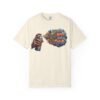
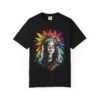
The brand Una Chimba draws directly from the Comuna 13 graffiti tradition. Every t-shirt and hoodie carries elements of the barrio’s visual language. The toucans. The b-boys. The graffiti textures. The bold typography.
For paisas, wearing Una Chimba means wearing the barrio’s story. For travelers who visited Comuna 13, the brand offers a way to keep that piece of Medellín in their wardrobe.
- Camisetas / T-Shirts — graphic tees with Comuna 13 art.
- Buzos / Hoodies — heavyweight streetwear.
- Gorras / Caps — paisa headwear.
- Accesorios — extras to complete the fit.
Frequently Asked Questions About Comuna 13 Graffiti
Is the graffiti in Comuna 13 legal?
Yes, the murals in Comuna 13 are legal. Many are commissioned by community groups, business owners, or the city. Furthermore, the local government recognizes the art as a key cultural asset.
Who paints the Comuna 13 murals?
Most muralists are local artists from Comuna 13 itself. In fact, many came up through collectives like Casa Kolacho. Indeed, some have gained international fame. However, most still live in the barrio and lead guided tours.
How often do the murals change?
Some murals are permanent landmarks. Others are repainted regularly as artists update their work and new pieces emerge. As a result, even repeat visitors see something new each trip.
Can I commission a mural in Comuna 13?
Yes. Indeed, several Comuna 13 artists take commissions, both locally and internationally. Many also collaborate with brands and businesses. Local tour operators can connect you with artists.
What’s the most famous mural in Comuna 13?
The Casa Kolacho wall and the giant murals near the second set of escalators are among the most photographed. However, the barrio has dozens of iconic pieces. The best approach is to take a tour and let a local guide show you the standouts.
Comuna 13 Graffiti, in One Line
It’s the visual language of a barrio that chose color over conflict.
Now you know the story. The question is whether you want to wear it.