
Have you heard a Colombian say “¡qué chimba!” with a huge grin? Especially a paisa from Medellín? You probably wondered what they actually meant. The una chimba meaning is one of the most beloved in paisa Spanish. In short, the word carries a whole region’s character in three syllables.
In this guide, we’ll unpack what una chimba really means. Also, we’ll cover where it comes from. Then we’ll explore why it matters in Colombian culture. Finally, we’ll see how it ended up on the chests of paisas around the world.
Una Chimba Meaning: The Quick Answer
In paisa Colombian slang, “una chimba” means something cool, awesome, amazing, or really good. It’s an exclamation of approval. Think of it as the verbal equivalent of “that’s epic.” For paisas, it’s part of the everyday emotional vocabulary. When something genuinely lights you up, una chimba is the word that comes out.
Common ways paisas use the phrase
You’ll hear it in everyday paisa conversation. For example:
- “¡Esa película fue una chimba!” means “That movie was awesome!”
- “Qué chimba de viaje, parce.” means “What an amazing trip, dude.”
- “El concierto estuvo una chimba.” means “The concert was incredible.”
- “¡Qué chimba verte!” means “How awesome to see you!”
Furthermore, the phrase works in three different ways. First, as a noun: una chimba means a great thing. Second, as an adjective: algo chimba means something cool. Third, as an exclamation: ¡qué chimba! means how awesome. This flexibility is part of why it’s stuck around for generations.
Where “Chimba” Comes From: Paisa Roots in Medellín
The word chimba sits deep in the slang of Antioquia. The capital of this Colombian department is Medellín. Its people are known as paisas. Paisa Spanish is famously expressive. The dialect uses voseo, which means saying “vos” instead of “tú.” It also has unique vocabulary and a rhythmic, warm cadence. As a result, the dialect is instantly recognizable across Latin America.
Specifically, “chimba” has been part of street and barrio vocabulary in Medellín for decades. Like much colorful slang, it grew out of working-class neighborhoods. These include places like Comuna 13. Eventually, the word climbed the cultural ladder. Today, every paisa uses it with pride.
For example, you’ll hear it in conversations between abuelas and teenagers. Also, in reggaeton lyrics. Moreover, in business banter over lunch. And finally, shouted across a soccer match at the Atanasio Girardot stadium.
The Duality of “Chimba”: When It Is and Isn’t a Compliment
Here’s where things get more interesting. Context matters enormously.
First, “chimba” doesn’t only mean “awesome.” In different Latin American countries, and even in different Colombian regions, the same word can carry very different meanings. Some are neutral. Others can be vulgar. For example, in some contexts it can refer crudely to female anatomy. In other contexts, it’s just a place name. There’s a town called Chimba in Ecuador. There’s also a region called Chimbas in Argentina.
However, the paisa use is special. Medellín has reclaimed and elevated the word into a celebratory expression. When a paisa says “¡una chimba!”, they’re not being crude. Instead, they’re expressing the highest possible approval. The tone, the context, and the unmistakable paisa accent make the meaning clear. This is enthusiasm. This is pride. This is joy.
In other words, that cultural reclamation is part of what makes the word powerful. It’s a piece of paisa identity. Outsiders sometimes misread it. However, insiders know exactly what it means. That’s a feature, not a bug.
How “Una Chimba” Became a Brand
Taking a beloved paisa expression and putting it on streetwear is more than a clever name. It’s a way of wearing your culture on your chest. As a result, the language of Medellín, Antioquia, and the barrios becomes visible to the world.
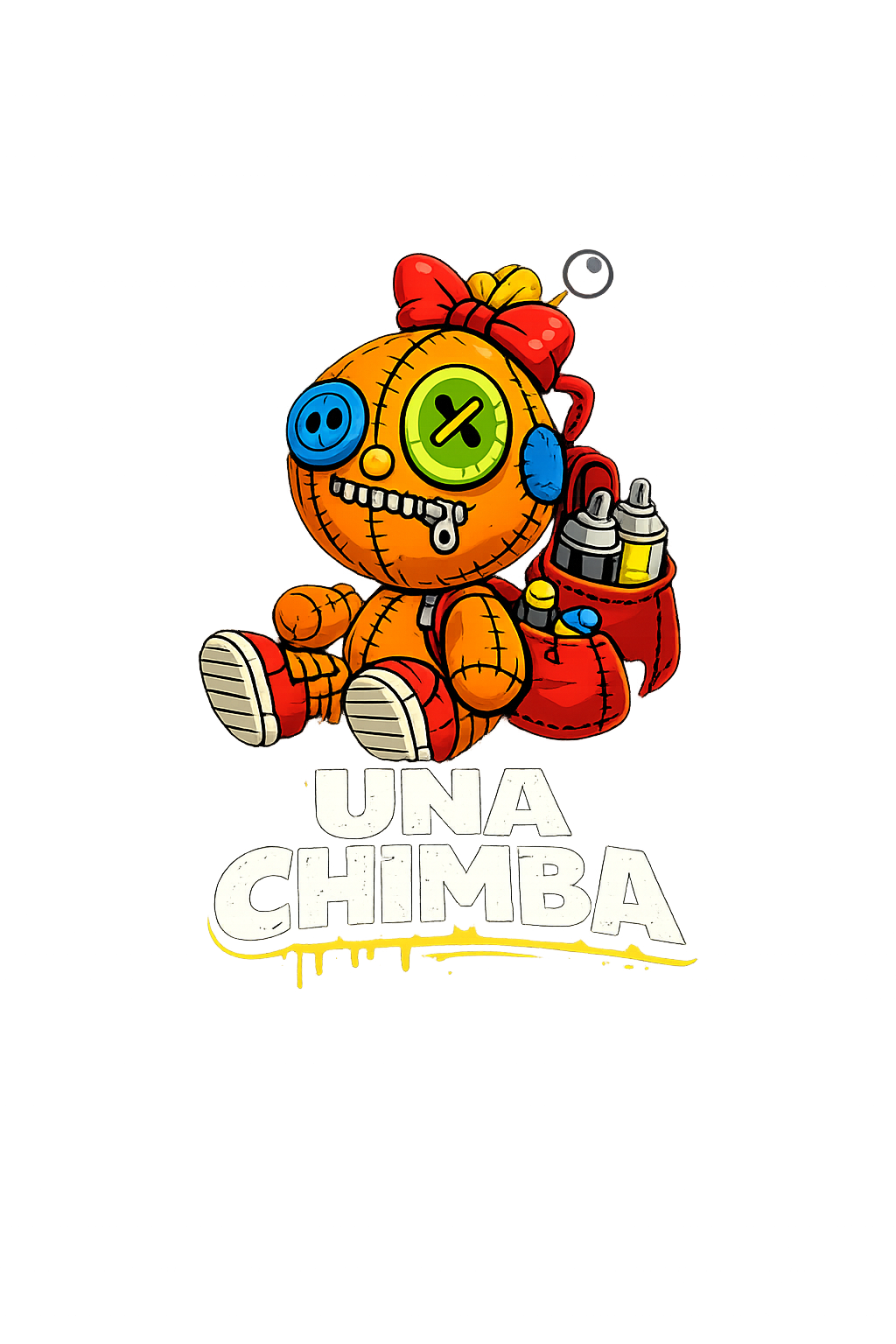
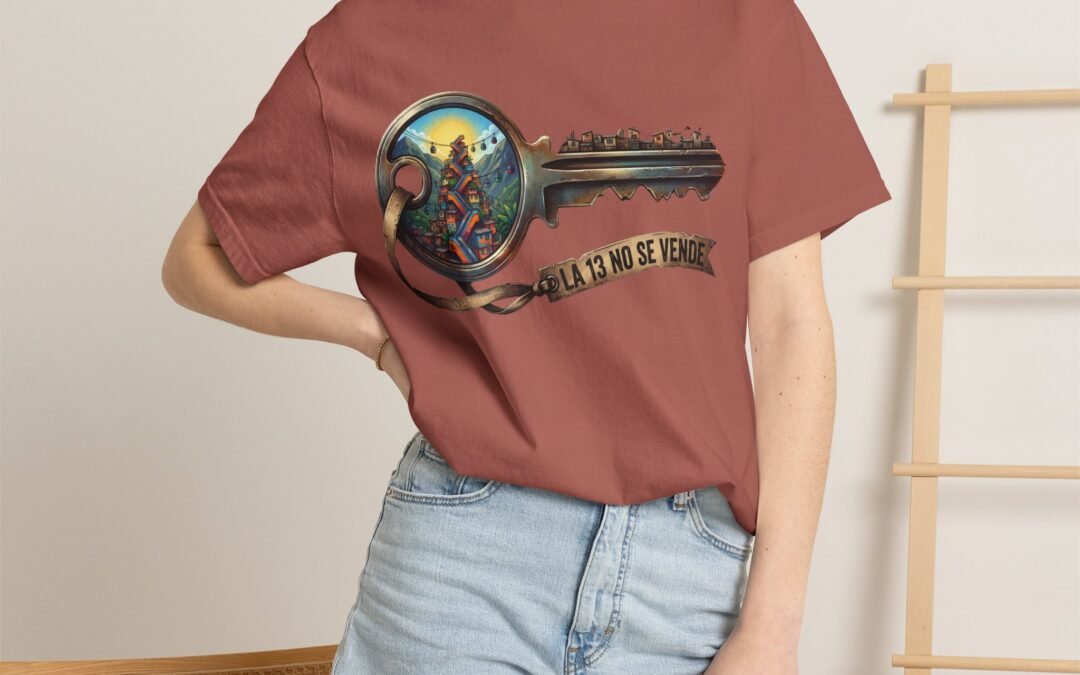
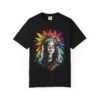
That’s the idea behind Una Chimba. The brand makes streetwear born in Medellín. It’s rooted in Comuna 13. Every t-shirt, hoodie, and cap is designed for paisas. It’s also for anyone who loves paisa culture. Each piece carries the city’s voice. That voice is the slang, the art, the graffiti, the music, the resistance, the pride.
Moreover, the brand’s Comuna 13 connection isn’t decorative. Comuna 13 has gone from one of Medellín’s most feared neighborhoods to a global symbol of artistic transformation. For example, its outdoor escalators draw visitors from around the world. Its murals tell stories. Its hip-hop scene speaks for a generation. Its toucans, painted on barrio walls, became icons. As a result, wearing Una Chimba means wearing that story.
The brand for the Colombian diaspora
For the Colombian diaspora, these pieces carry home with them. Paisas live in Miami, New York, Madrid, Toronto, Buenos Aires, and Sydney. For travelers who fell in love with Medellín, the clothing keeps the city in their wardrobe. For paisas in Medellín itself, it’s orgullo paisa worn out loud.
Wear Una Chimba: Paisa Pride You Can Carry With You
If the word resonates, the clothing might too. The store is built around a few core lines. Each one is rooted in Medellín culture:
- Camisetas / T-Shirts — graphic tees with Comuna 13 art and paisa slang.
- Buzos / Hoodies — heavyweight paisa streetwear, built to wear and to last.
- Gorras / Caps — paisa headwear, embroidered with pride.
- Accesorios / Accessories — extras to round out the fit.
Every piece ships worldwide. After all, paisa identity doesn’t end at the airport.
Frequently Asked Questions About “Una Chimba”
Is “chimba” a bad word in Colombia?
In paisa Colombian usage, “chimba” is overwhelmingly positive. It means awesome or cool. However, in some other Latin American countries, the same word can be vulgar. As a result, context, region, and tone are everything. When you hear a paisa from Medellín say “¡qué chimba!”, you’re hearing enthusiasm and approval.
Is “una chimba” only used in Colombia?
The positive “awesome” meaning is most strongly tied to paisa Spanish. That includes Medellín, Antioquia, and the surrounding coffee region. Also, you’ll hear it among Colombian diaspora communities worldwide. However, paisas use it with the most frequency and pride.
What does “qué chimba” mean?
The phrase “¡Qué chimba!” is the exclamatory form. It means “how awesome!” or “that’s great!” Moreover, it’s one of the most common ways paisas express delight in everyday speech.
What’s the difference between “chimba,” “parce,” and “berraco”?
These are three pillars of paisa slang. First, chimba means awesome. It’s an exclamation about something good. Second, parce (or parcero) means friend or dude. It’s a way of addressing someone. Third, berraco means tough, capable, or impressive. It’s a quality of a person, often praising hard work. You’ll hear all three in any paisa conversation.
How do you respond when a paisa says “una chimba”?
The standard response is to share the enthusiasm. Agree, smile, and say “¡sí, una chimba total!”. Or fire back with your own “¡qué chimba!”. After all, it’s an expression that invites connection, not analysis.
The Una Chimba Meaning, in One Line
It means something good. Something cool. Something worth celebrating.
However, beneath the slang, the word carries something bigger. It’s the voice of Medellín. It’s the heart of Antioquia. It’s the pride of the paisas. It’s the energy of a city that turned its hardest neighborhoods into living art.
Now you know what it means. The question is whether you want to wear it.

Trackbacks/Pingbacks